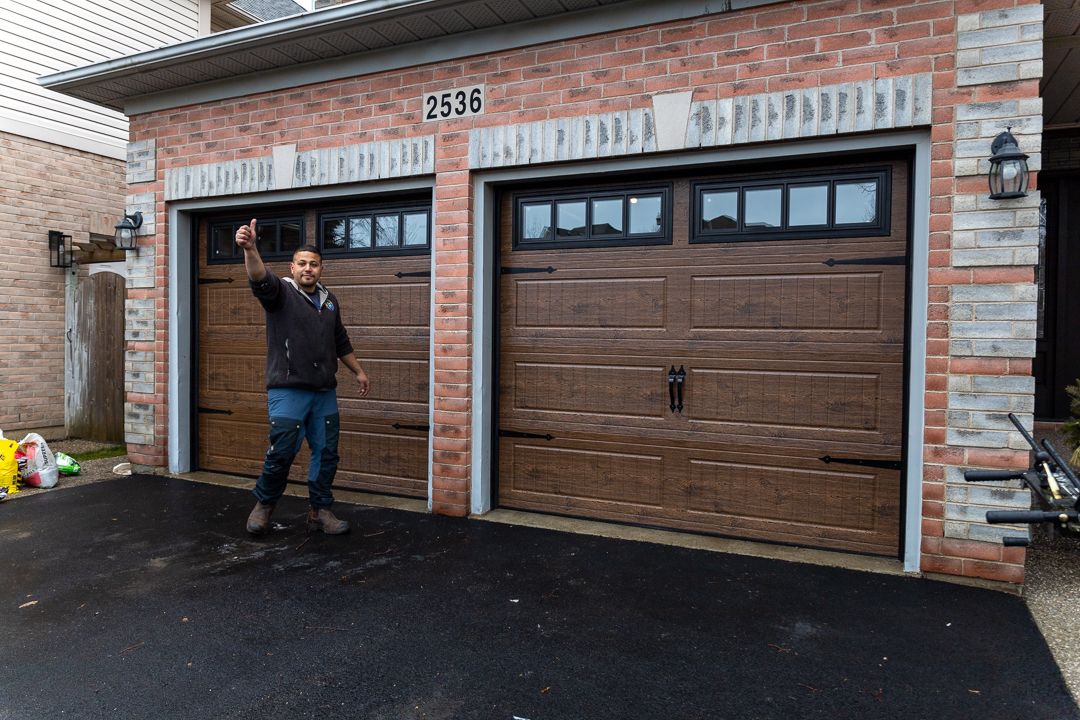
Multi-point inspection
Springs, cables, hardware, and opener systems checked end to end.
A thorough professional tune-up takes 30 minutes to 1 hour. Book in late summer or early fall so your door is ready before cold weather stresses springs, seals, and the opener.
Safety note: Homeowners can lubricate and visually inspect, but spring, cable, and track work should always be left to professionals. Skipping annual maintenance often leads to spring failures, opener burnout, or cable snaps.
Four pillars of a professional fall visit — then the full checklist below.
Springs, cables, hardware, and opener systems checked end to end.
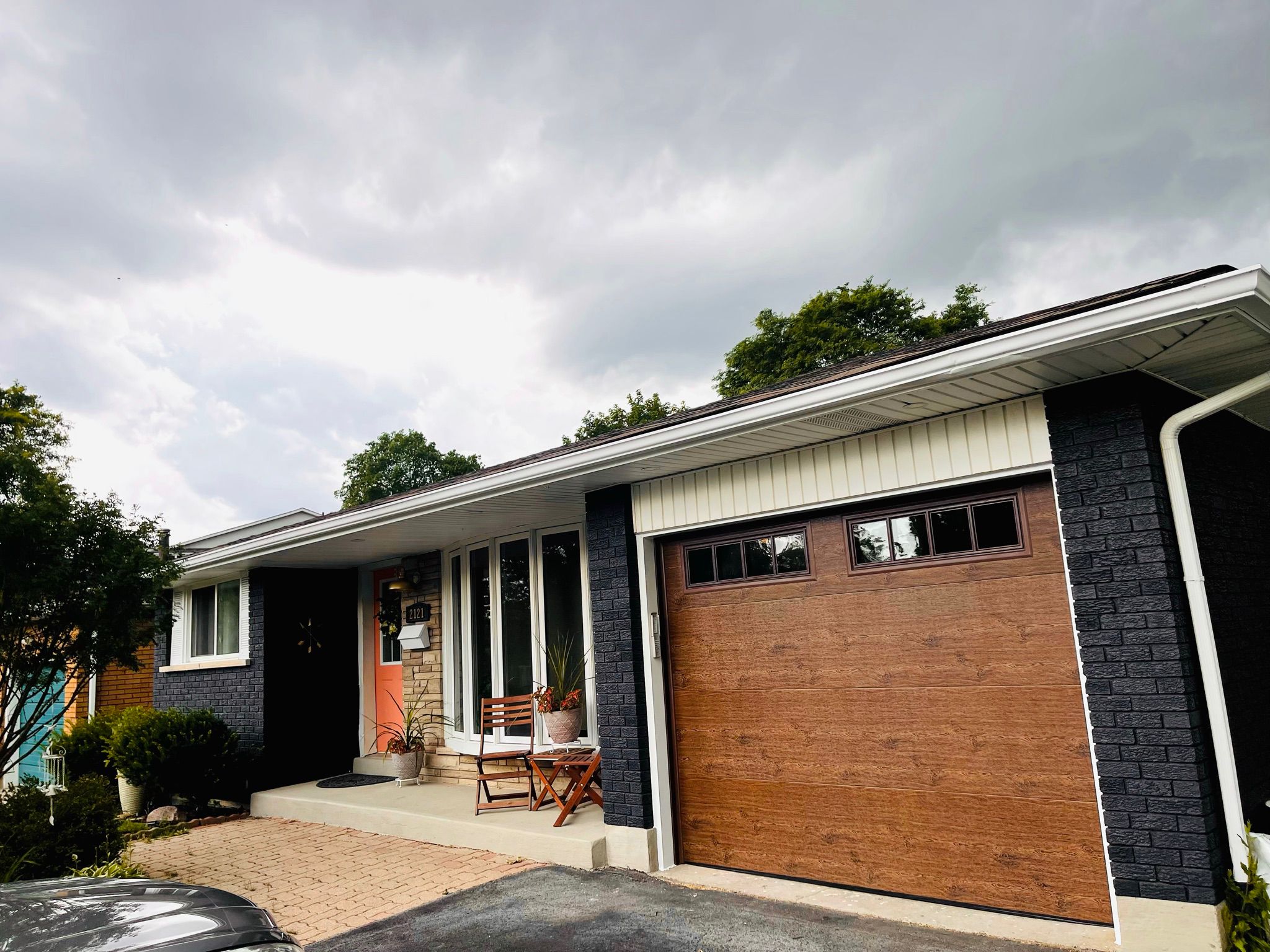
Proper lubrication and adjustments for quieter, smoother travel.
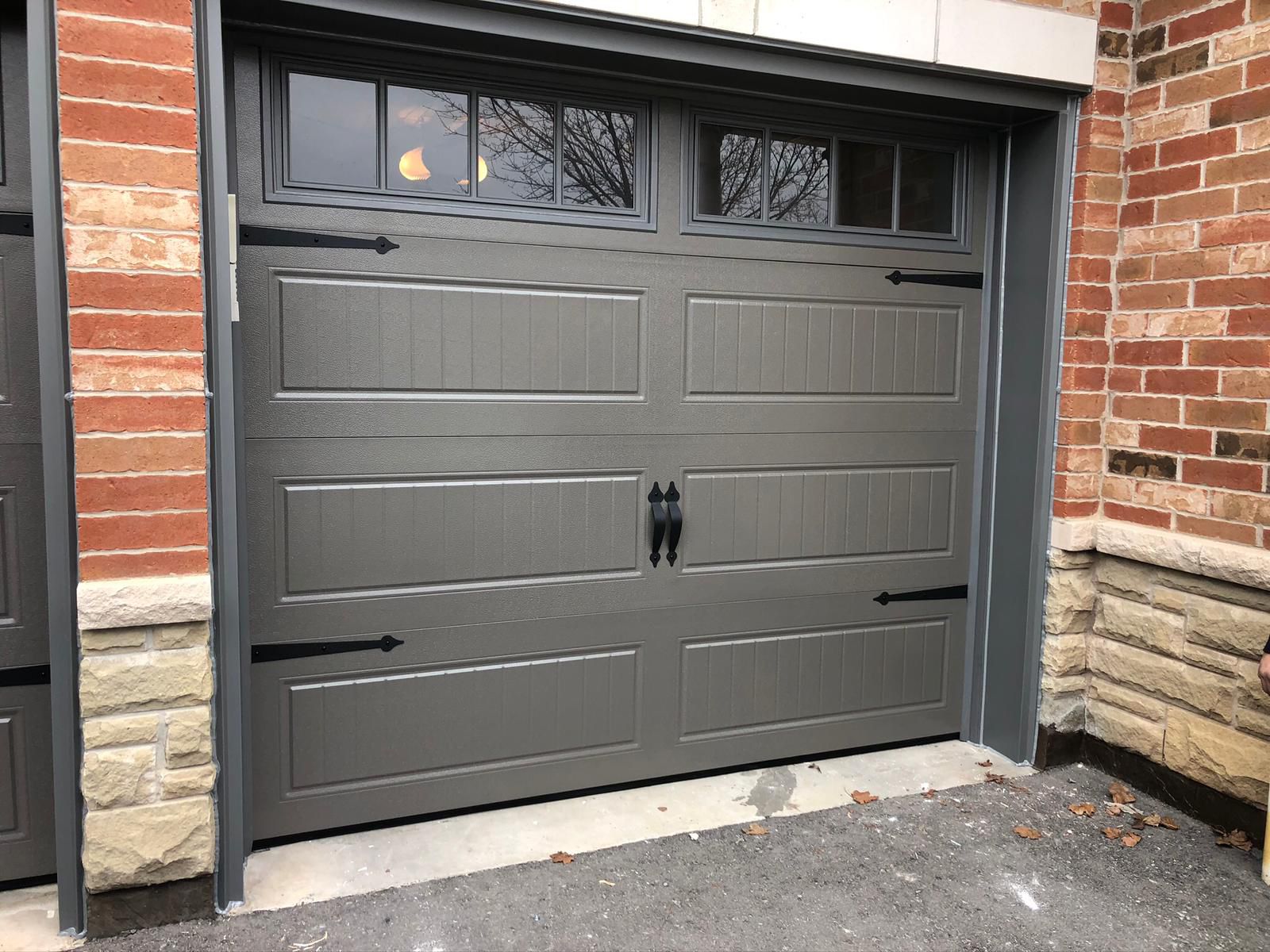
Door balance, auto-reverse, and sensor alignment verification.
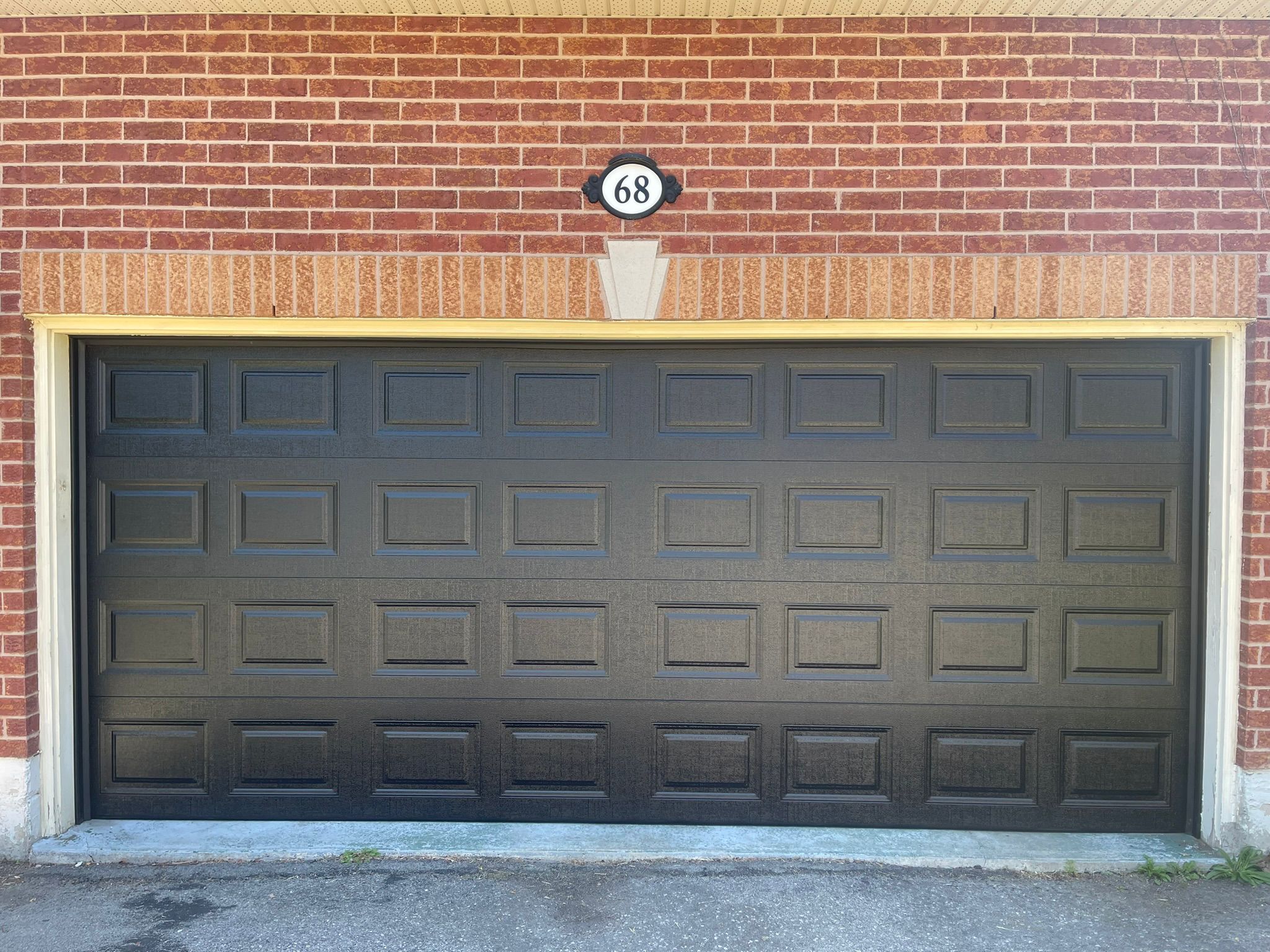
Bottom seal and weather stripping reviewed for drafts and pests.
Every visit covers lubrication, balance, springs, cables, hardware, seals, opener, tracks, rollers, drums, bearings, and photo-eye sensors.
Leo, owner and technician at LTA Garage Doors, lubricates and inspects the moving hardware that keeps a door quiet and balanced — not the parts that should only be adjusted by a trained tech under spring tension.
How often: schedule professional maintenance about once a year, ideally before winter. Signs lubrication will not fix the problem include a broken spring, a frayed or off-drum cable, a bent track, or an opener that runs but the door barely moves — those need repair, not more grease.
Garage Door Tracks, Hinges & Rollers | Leo Explains | LTA Garage Doors Burlington
Leo walks the interior of a residential sectional door, pointing out the vertical track, hinges, rollers, punched-angle bracing, and how the door travels into the horizontal track — the hardware he inspects during a fall tune-up.
How to Lubricate a Garage Door | Leo Explains | LTA Garage Doors
Leo explains the track was rubbing the hinges and needed about an inch of clearance — now fixed. Before cycling the door, he shows how to lubricate a garage door once or twice a year with garage-door lubricant: spray the hinges, rollers/wheels, and bearing sides. He opens the door to show smooth, quiet travel, and reminds viewers to call LTA if they have problems.
We review springs, cables, tracks, rollers, opener settings, and safety devices.
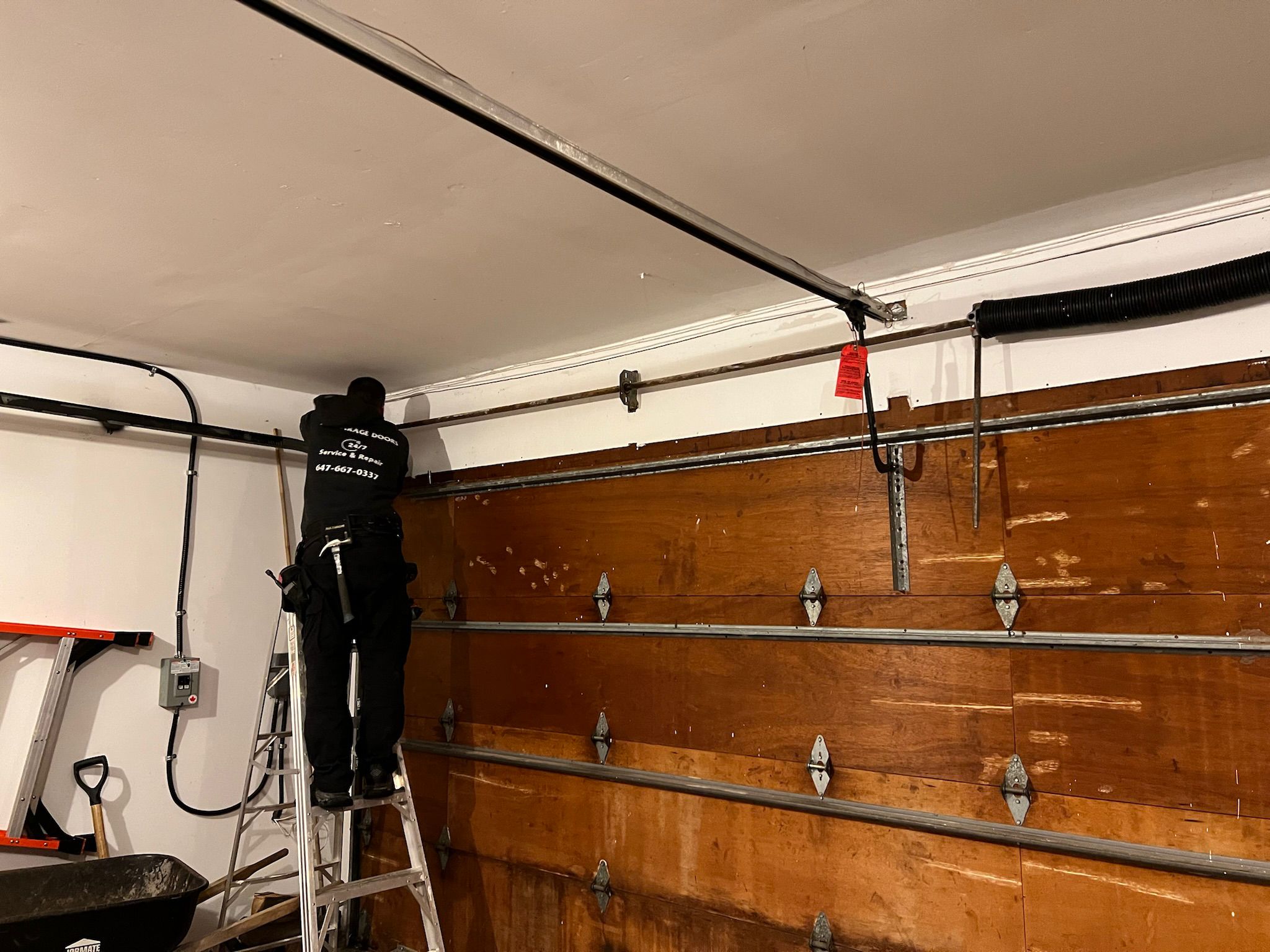
We lubricate, tighten, and adjust components per manufacturer guidance.
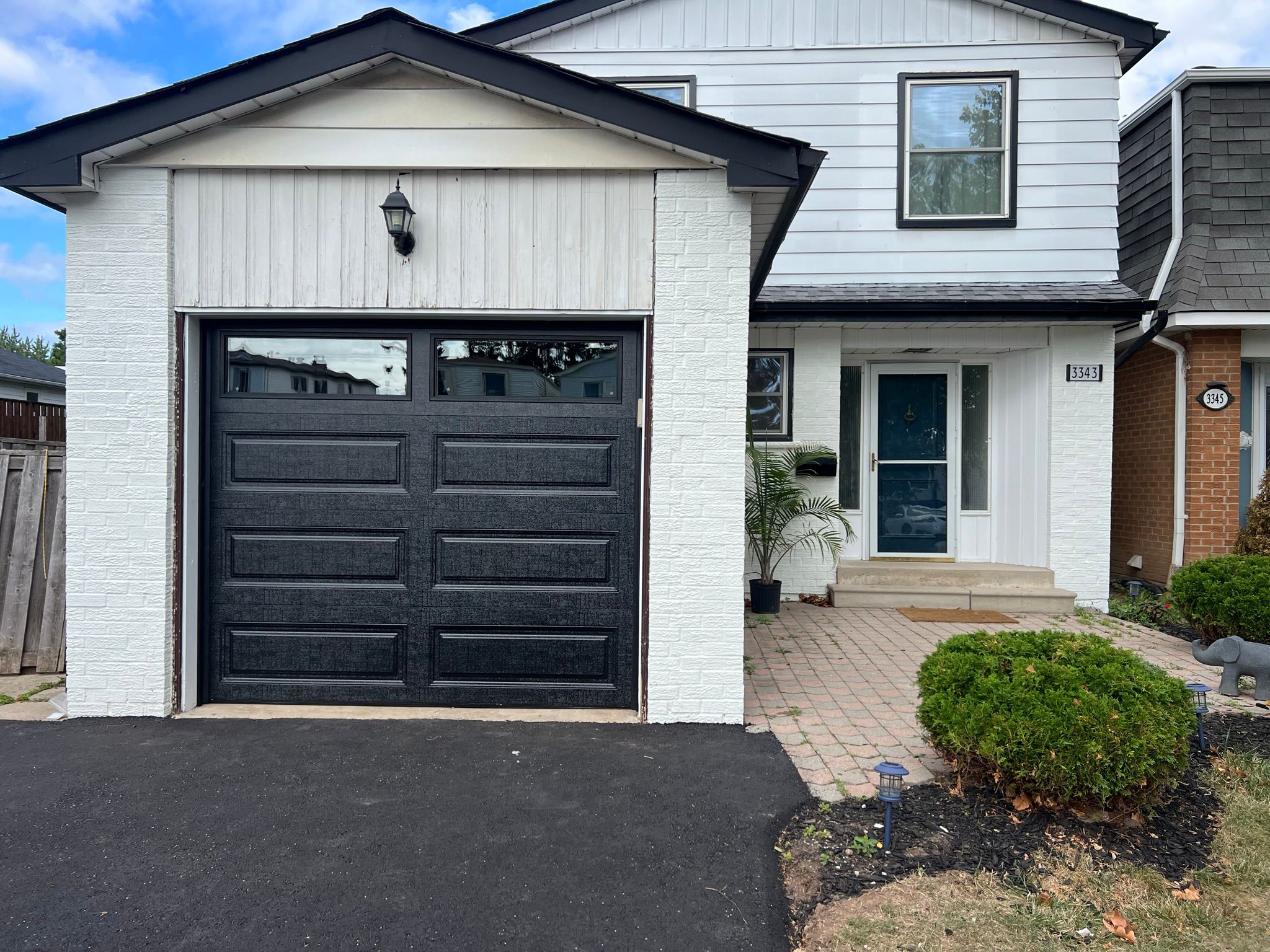
You get a clear summary of door health and any future repair recommendations.
Most residential doors benefit from a professional tune-up once a year. Book in late summer or early fall so springs, seals, and the opener are ready before cold weather.
Homeowners can carefully lubricate rollers, hinges, and bearings with a garage-door-safe lubricant. Do not lubricate nylon rollers that the manufacturer marks as dry, and never spray lubricant into the opener rail or onto photo-eye lenses.
Do not adjust spring tension, cables, drums, or track alignment. Those parts are under high tension and can cause serious injury if handled incorrectly.
Lubrication will not fix a broken spring, frayed cable, bent track, failed opener gear, or a door that is out of balance. Those issues need professional repair, not more grease.
Schedule a professional tune-up in late summer or early fall — before cold weather turns small wear into spring failure, opener burnout, or a snapped cable.